

The most common explanation is also the most convenient one.
High performers struggle in leadership roles because they lack people skills.
Or, because they can’t delegate.
Or, because they struggle to influence.
This diagnosis is repeated so often that it has become organisational truth.
It is also wrong.
High performers rarely struggle because they are incapable of leading people.
They struggle because organisations promote competence and then expect capacity to appear on its own.
The promotion logic we hardly question
Most organisations promote based on visible outcomes.
Results delivered.
Problems solved.
This logic makes sense — until leadership demands something fundamentally different.
The role no longer rewards control, speed, or individual brilliance.
It requires judgment without full information, emotional steadiness under ambiguity, and influence without authority.
These are totally different from high performance and need a different operating system.
Where the struggle actually begins
The struggle does not begin when a leader underperforms.
It begins much earlier — when the role changes, but expectations do not.
New leaders are still measured as if:
• effort should directly translate to outcome
• competence should guarantee confidence
• responsibility should feel familiar
When it doesn’t, the leader internalises the gap.
They work harder.
They step in more often.
They carry decisions alone.
What looks like commitment is often unrecognised strain.
When strength becomes organisational risk
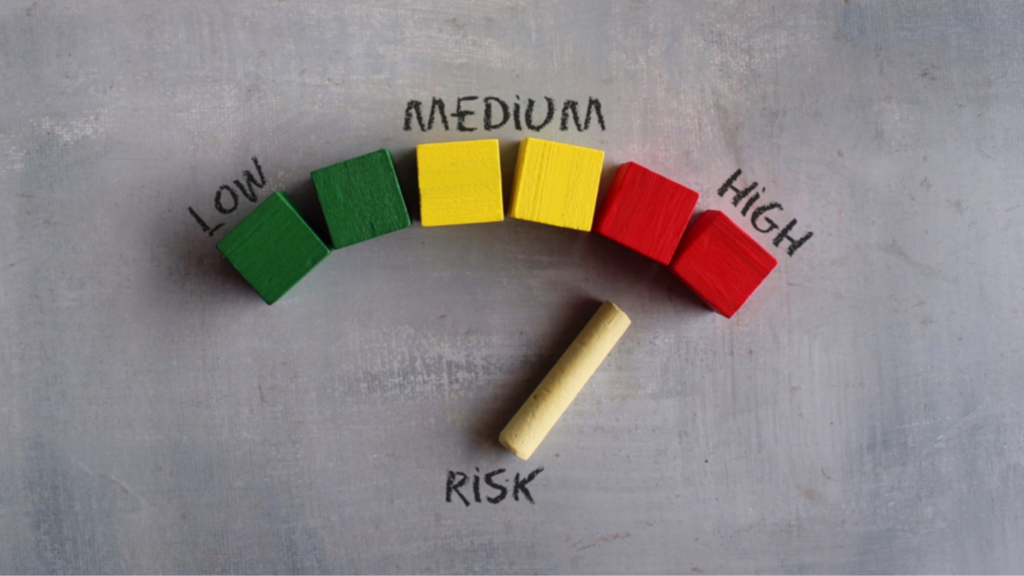
High performers bring powerful traits into leadership:
• high ownership
• intolerance for failure
• strong internal pressure to deliver
In the absence of transition support, these traits don’t soften — they intensify.
The result is predictable:
• micromanagement masked as accountability
• decision fatigue mistaken for indecision
• emotional withdrawal interpreted as lack of presence
By the time performance conversations begin, the cost has already compounded — for the leader, the team, and the organisation.
The capability gaps no framework measures
Most leadership models focus on skills.
Few address capacity.
Capacity is the ability to:
• hold uncertainty without rushing to resolution
• remain regulated while others are not
• separate personal worth from organisational outcomes
• carry authority without over-identifying with it
High performers are rarely developed here because this capacity is invisible — until it’s missing.
And when it’s missing, the organisation calls it failure.
What organisations miss when they call it “Individual Failure”
When a high performer struggles in leadership, it is tempting to correct the individual.
Coaching conversations become remedial. Feedback becomes diagnostic.
What often goes unexamined is the system that:
• accelerated promotion without transition
• rewarded over-functioning
• normalised emotional self-neglect as commitment
Leadership failure, in these cases, is not a surprise. It is a delayed outcome.
A different question for organisations

Instead of asking:
“Why did this high performer fail as a leader?”
A more useful question is:
“What did this role require that we never helped them build?”
Leadership transitions are predictable pressure points — and when left unsupported, they eventually erode performance, engagement, and retention.
Lifefulfil partners with organisations to strengthen leadership capacity at these inflection moments:
• pre-promotion readiness for high-potential talent
• transition support for newly appointed leaders
• sustained effectiveness as complexity and accountability increase
This is leadership development designed for moments that matter — where performance alone is no longer enough.
Are exploring capability development interventions for your Hi-Pos, First-time managers or Mid-level leadership?
Explore how the LIFT Program new leaders build the capacity to lead through complexity.